Design Guide
Video technology, explained.
Signal types, compression, EDID, color, streaming, networking, and 4K — the fundamentals behind every video wall, multiviewer, and AV-over-IP system, from RGB Spectrum’s engineers.
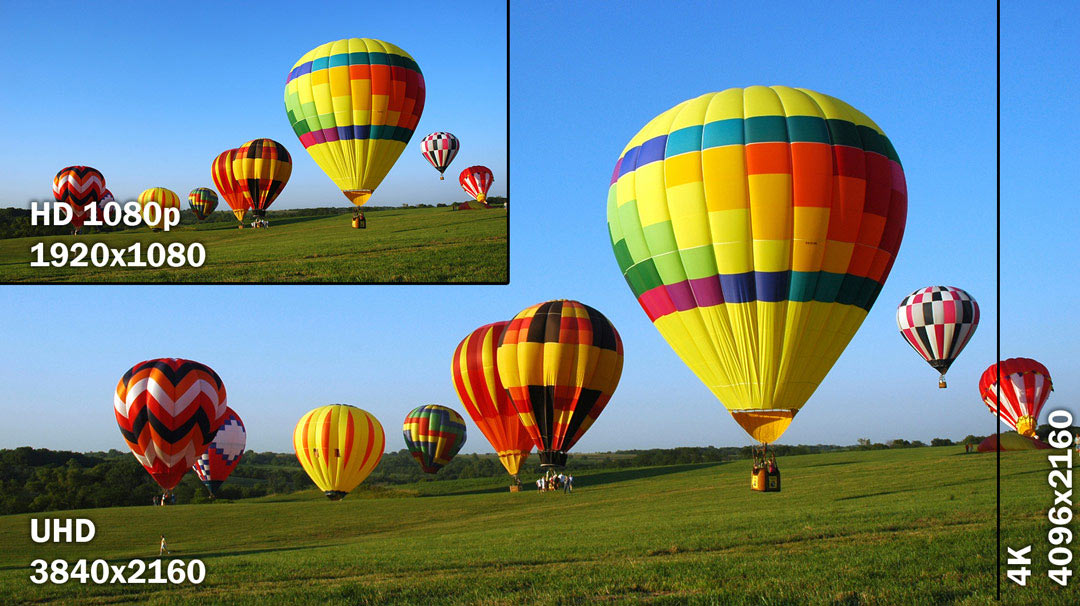
4K/UHD technology offers 3840x2160 resolution with 8.3 million pixels, significantly enhancing visual clarity for control rooms and AV environments. While UHD means 3840x2160 for displays, cinema 4K…
Video walls use bezels (mullions) between monitors for LCD panel support, but they interrupt continuous imagery. RGB Spectrum processors offer bezel compensation to make images appear behind bezels…

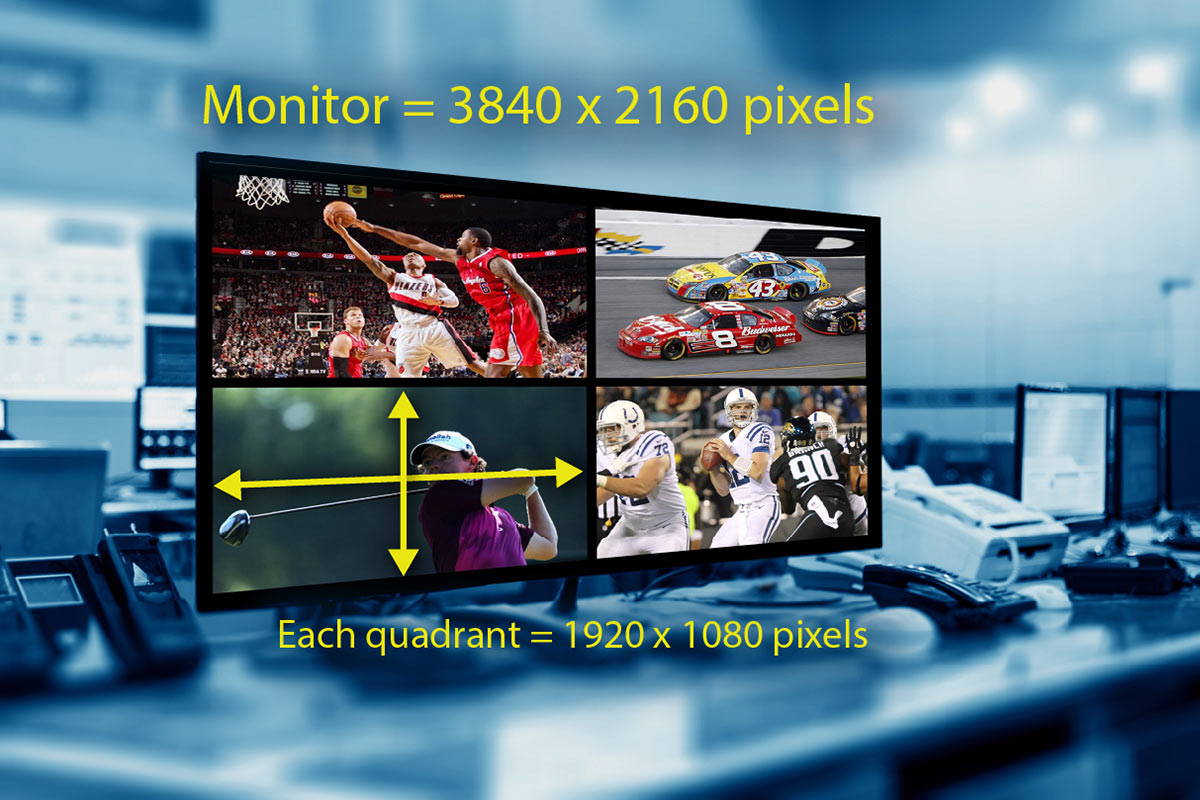
4K desktop monitors can create compact video walls using RGB Spectrum's MediaWall V processor. A single 4K monitor displays four 1080p feeds unscaled, while three monitors can show 12 feeds clearly.…
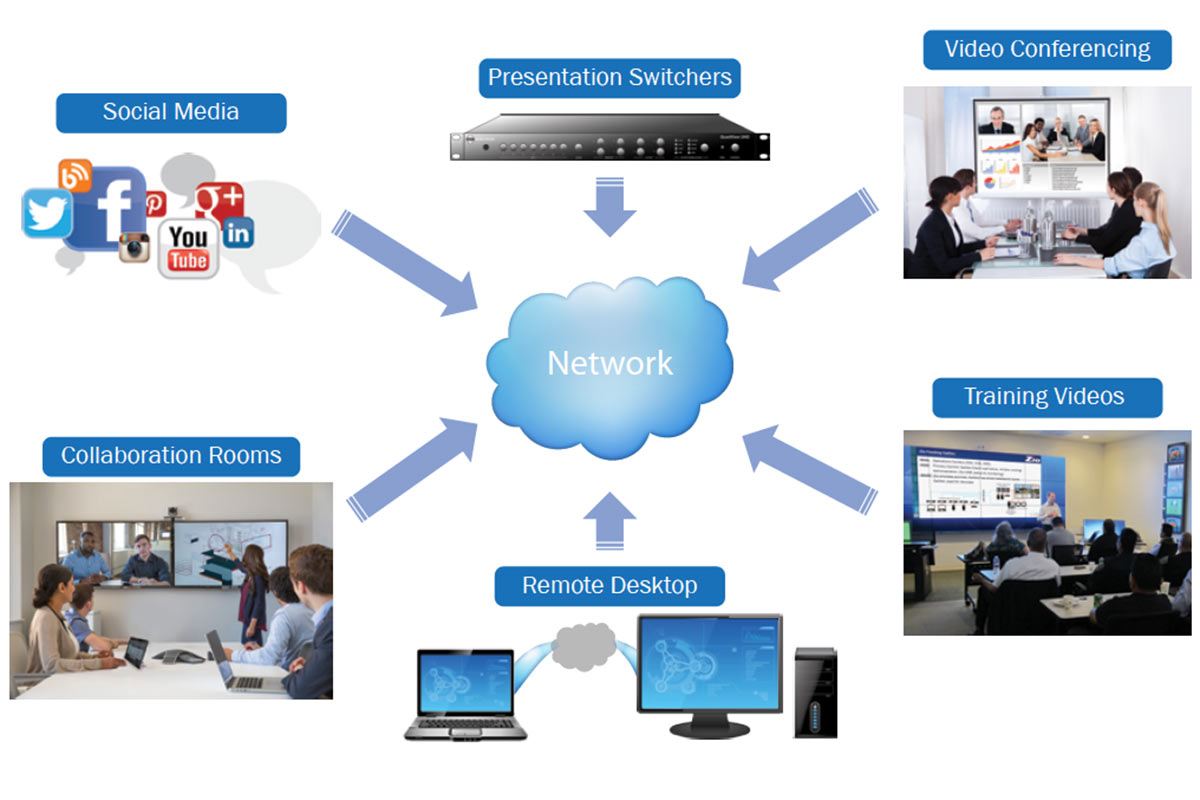
An introduction to networking for AV professionals: the seven layers of the OSI model, how data flows through them, and the difference between Layer 2, Layer 2+ and Layer 3 switches.
Sending AV streams over a network always trades off bandwidth, stream quality and latency. Includes approximate bandwidth requirements for common color subsampling ratios and H.264 encoding at 1080p…
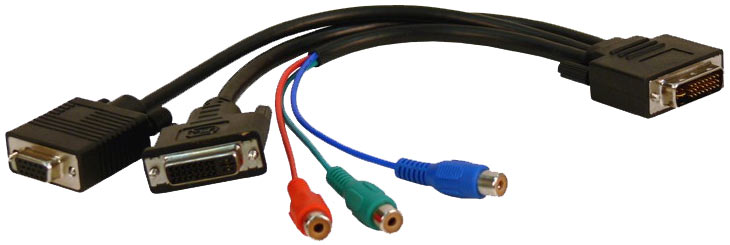
This is Part 1 of RGB Spectrum's video processing training series. It covers video signal types: analog (composite, S-Video, component RGB/YPbPr) and digital (bitmap frames at 24+ FPS with pixels…
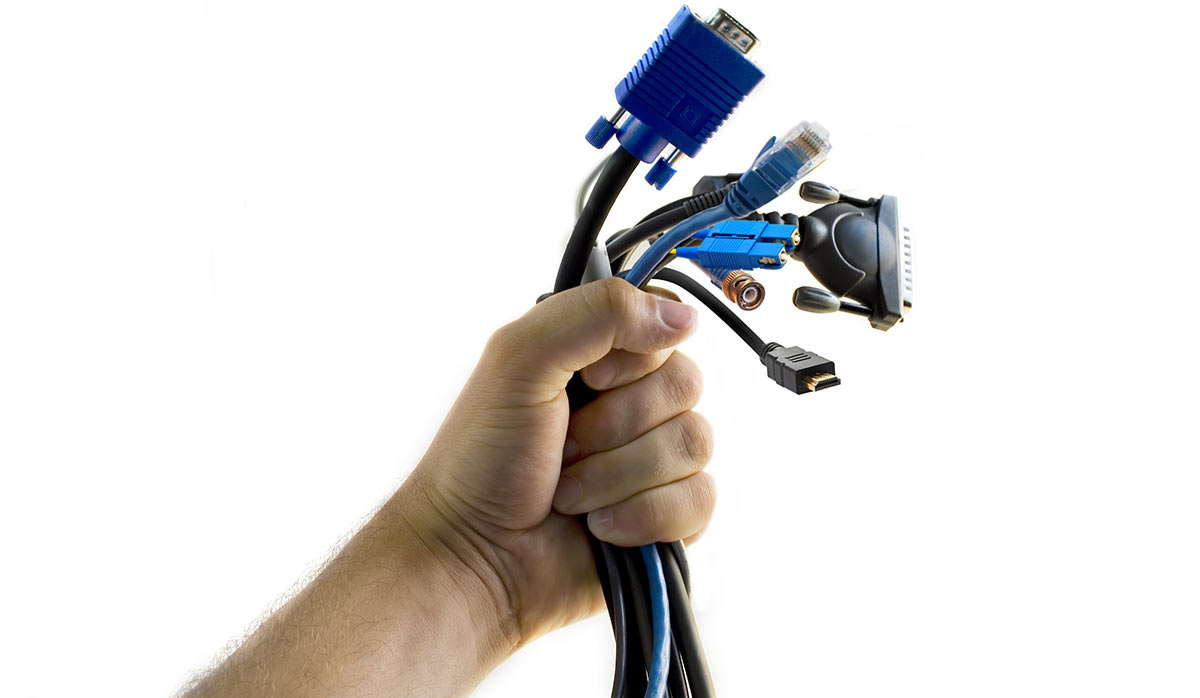
Part 2 of RGB Spectrum's video processing training covers digital signal interfaces. DVI (1999) transfers uncompressed digital video with 5 connector types supporting single/dual-link for different…

Part 3 of RGB Spectrum's video tech training covers digital video fundamentals. Digital audio/video requires massive computing power and data - 1920x1080 at 60fps needs 3.6GB/second. Video…

Part 4 of RGB Spectrum's video processing training covers digital content protection. The industry uses Digital Rights Management (DRM), primarily HDCP encryption, to prevent unauthorized copying of…
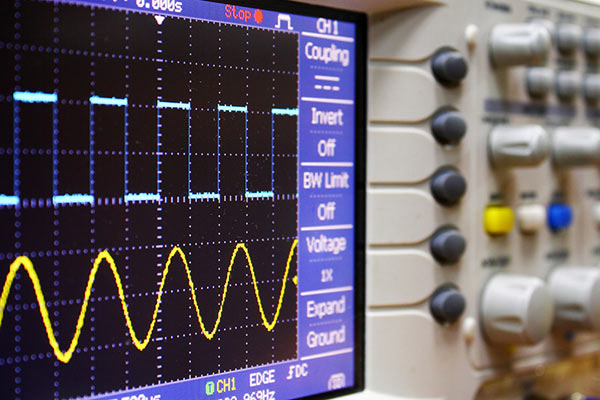
Part 5 of RGB Spectrum's video tech training covers digital video signal integrity issues. Analog signals degrade gradually over cable length, becoming fuzzy. Digital signals degrade non-linearly…
Part 6 of RGB Spectrum's video processing training covers EDID management history. VESA introduced DDC interface in 1994 for display-source communication. EDID contains display info like resolution,…
This is Part 7 of a video processing technology training series extracted from RGB Spectrum's Design Guide.
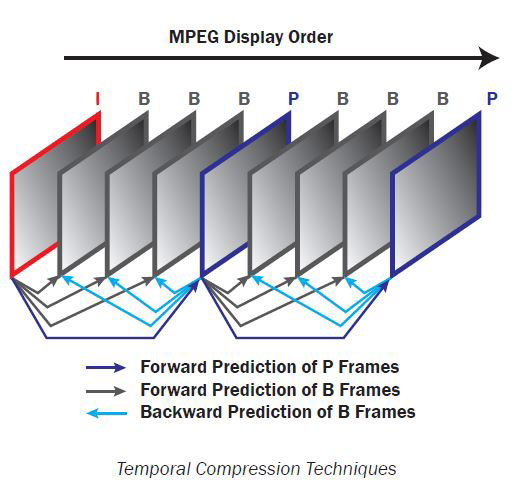
Part 8 of RGB Spectrum's video training covers streaming and compression. Streaming delivers digitized media over IP networks but requires compression since HD video needs ~1 Gbps while networks have…
Video usage has skyrocketed across applications, replacing centralized equipment rooms with distributed systems. Traditional baseband video offers lossless quality but has distance/scalability limits…